Philosophy and everyday life
Wu Wei: the art of not forcing and still achieving.
A reflection on the Taoist principle of Wu Wei and how to apply it in daily life to move forward with less effort, more connection and greater coherence.
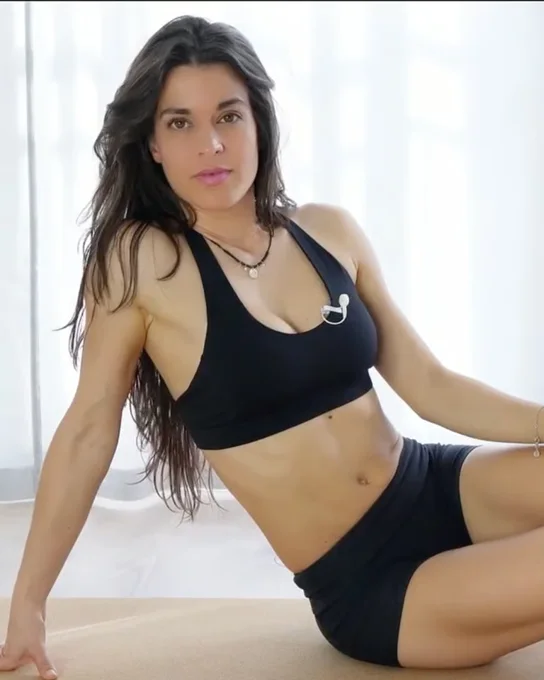
Wu Wei: flowing without giving up, acting without wearing yourself out
There are ideas you don’t learn: you recognise them. As if someone, in another language and another era, had put into words something your body already knew.
That’s what happened to me when I came across Wu Wei, the Taoist principle usually translated – clumsily – as “non-action”. In reality, though, it’s the very opposite of passivity.
Wu Wei is acting without forcing. It’s the art of moving without pushing. Of achieving without dragging yourself along.
Like a fish swimming downstream without losing strength. Like when you’re so aligned with what you’re doing that it seems effortless… even though what you achieve is immense.
When forcing becomes a trap
We’ve been raised in the religion of effort. The one that tells you that if you’re not on the verge of collapse, you’re not trying hard enough.
I lived like that too: controlling the details, tensing my muscles, forcing even my emotions.
But there comes a moment – and it’s usually after a fall, a bout of exhaustion or an uncomfortable silence – when you ask yourself:
What if all that pushing doesn’t mean moving forward, but drifting off course?
What if the key isn’t doing more, but doing things differently?
Wu Wei isn’t giving up: it’s tuning back in
The Tao – that mystery the Eastern sages never wanted to define completely – is more like a river than a formula.
You don’t master it. You go along with it.
You don’t explain it. You listen to it.
And there, in that current that doesn’t ask for permission but does ask for presence, Wu Wei appears.
It shows up when you let go of the obligation to fit in, to please, to control.
When you make decisions not out of duty, but from that inner voice that whispers “this one is for you”.
What does Wu Wei look like in everyday life?
- It’s leaving some space before you reply to a message that triggers you.
- It’s saying no, even if that “no” takes you further from other people’s validation.
- It’s leaving the task half done if your body asks you for a pause, without guilt eating you alive.
- It’s trusting that your inner rhythm is a direction too, even if it isn’t constant or linear.
Sometimes Wu Wei is doing. Of course it is. But not in a rush. From connection. From that place where action doesn’t wear you down, but brings you back to yourself.
Wu Wei can be trained too (like self-love)
Don’t expect to understand it from a single book. This isn’t theory, it’s practice. Like a new dance where first you learn the steps, then you flow.
Start by asking yourself:
Am I doing this out of fear or out of desire?
Am I reacting or choosing?
What happens if I stop before I act?
Because Wu Wei isn’t doing less out of avoidance, but doing just what’s needed, out of wisdom.
You didn’t come here to control life. You came to dance it.
And in that dance, there are pauses. There are turns. There are movements you don’t plan, but they come out perfectly because you’re present.
Effortless action isn’t magic: it’s coherence.
And that’s what Wu Wei is. A gentle but powerful reminder that not everything is achieved by pushing. That life isn’t something you master; you fall into step with it. And that sometimes, less struggle is more truth.
PUTTING IT INTO PRACTICE
A practice
with direction.
In the method you can find out what each phase of Ritual Core works on and how the practice is organised.
Explore the method